It’s getting easier to create AI generated videos and photos, and harder to tell the real from the fake. Last week, billionaire investor Warren Buffett called them a “spreading virus,” after videos that appear to feature his image and voice surfaced online. “It’s not me,” his company said in a press release, warning that viewers could “be misled by the content of those videos.”What are deepfakes and how can you spot them? A “deepfake” is a computer-generated image, voice or video of a person that depicts a non-existent person or alters the actions and words of a real person.Deepfakes and AI-altered content are notoriously difficult to identify, but cybersecurity expert Kerry Tomlinson offers guidance on how to spot them. “You want to listen for things that don’t quite sound human,” Tomlinson said. “With deepfakes, if you listen, sometimes they will take no breaths when they’re talking. So you may actually feel a sense of breathlessness when you listen.”Take a close look at the visuals as well. “For example, the earrings may not be fully formed or the teeth may not be fully formed,” she said. “As far as deepfake video goes, often the physiology isn’t quite working yet. The pieces and parts of the face aren’t quite together.”She emphasizes the importance of verifying the authenticity of the message, too, especially if it’s trying to get you to do something. “Go and verify the message. Is this message real? We need to go back to that basic message. What do they want from me? Could it hurt me? Can I verify it? And if you can’t verify it, don’t do it,” Tomlinson said.Another indicator of AI generated content is the presence of a watermark, such as the one from Sora, the video creation app from OpenAI. If the Sora logo appears on a video, it confirms that the content was created using AI.Savannah Spring contributed to this report.
It’s getting easier to create AI generated videos and photos, and harder to tell the real from the fake. Last week, billionaire investor Warren Buffett called them a “spreading virus,” after videos that appear to feature his image and voice surfaced online.
“It’s not me,” his company said in a press release, warning that viewers could “be misled by the content of those videos.”
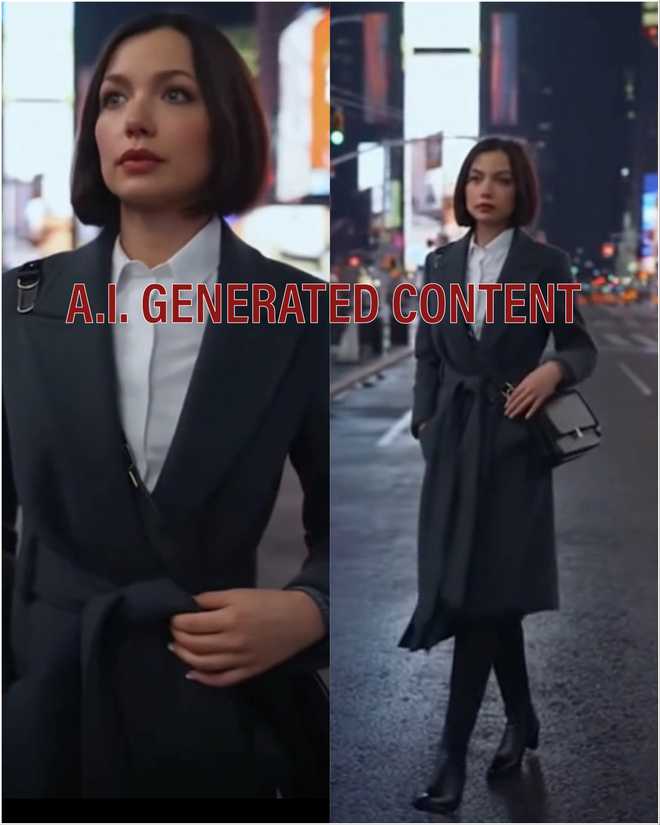
What are deepfakes and how can you spot them? A “deepfake” is a computer-generated image, voice or video of a person that depicts a non-existent person or alters the actions and words of a real person.
Deepfakes and AI-altered content are notoriously difficult to identify, but cybersecurity expert Kerry Tomlinson offers guidance on how to spot them. “You want to listen for things that don’t quite sound human,” Tomlinson said. “With deepfakes, if you listen, sometimes they will take no breaths when they’re talking. So you may actually feel a sense of breathlessness when you listen.”
Take a close look at the visuals as well. “For example, the earrings may not be fully formed or the teeth may not be fully formed,” she said. “As far as deepfake video goes, often the physiology isn’t quite working yet. The pieces and parts of the face aren’t quite together.”
She emphasizes the importance of verifying the authenticity of the message, too, especially if it’s trying to get you to do something. “Go and verify the message. Is this message real? We need to go back to that basic message. What do they want from me? Could it hurt me? Can I verify it? And if you can’t verify it, don’t do it,” Tomlinson said.

Another indicator of AI generated content is the presence of a watermark, such as the one from Sora, the video creation app from OpenAI. If the Sora logo appears on a video, it confirms that the content was created using AI.
Savannah Spring contributed to this report.