One out of every three people with chronic sun exposure is likely to develop non-melanoma skin cancer in their lifetime. It’s a scary statistic, but the risk is almost 100% preventable – by using sun protection.
Aimee Smidt, MD, chair of the Department of Dermatology in the UNM School of Medicine, says one of the things she most appreciates about New Mexico is all the opportunities for outdoor fun.
“I think all of us enjoy being outdoors, being active, especially when the weather is so ideal here in New Mexico,” she said.
The state averages about 300 days of sunshine each year, but before you head out to soak up the rays, make sure you’re doing it safely.
Sun exposure can be more serious than just an annoying sunburn, Smidt said. “Over time, repeated sunburns do put us at risk to melanoma skin cancer, which is a potentially deadly form of skin cancer.”
Chronic sun exposure can lead to less serious, but much more common forms of skin cancer, known as basal cell and squamous cell cancers. That’s why proper protection is crucial.

Nobody is protected just naturally by the melanin in their skin. So, I would really want to dispel the myth that sunscreen is only for those with fairer skin or who burn,
– Aimee Smidt, MD, Chair of Dermatology, UNM School of Medicine
Proper Sun Protection
When talking about sun protection, the first thing that comes to mind is probably sunscreen. But not all sunscreens are created equal, Smidt said, and there’s a few factors consider when picking which one to use.
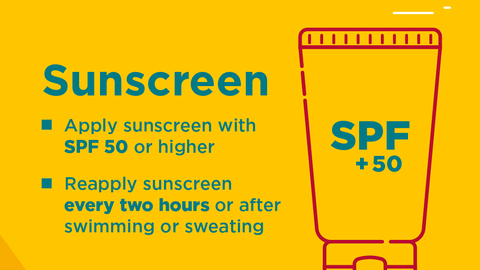
“What we want folks to look for is the SPF (sun protection factor) on the bottle – the number being at least 30 or more.”
Some research shows an SPF of 50 is most effective, Smidt said, but anything higher than that doesn’t make much of a difference. In fact, it can lull you into a false sense of security.
And one application does not cut it – you absolutely need to reapply sunscreen. Smidt recommended reapplying sunscreen every one to two hours, or as soon as you notice areas of your skin feeling especially warm.
If you have sunscreen left over from last summer, it’s also important to check the expiration date. If the product comes out separated, it’s best to toss it and get a fresh bottle.
Many people apply sunscreen before going in the water. No sunscreen is truly waterproof, Smidt said, but most are water resistant. Be sure to check the label and reapply as soon as you dry off.
Mineral VS Chemical Sunscreen
Mineral sunscreens are often referred to as “natural” sunscreens. These kinds of sunscreens have titanium dioxide or zinc oxide as an active ingredient.
“Those are naturally occurring minerals that protect our skin by creating a physical barrier so that the UV light cannot penetrate to the skin and damage it,” Smidt said.
Titanium and zinc products are great options for kids, or anyone who has skin sensitivity concerns. These products tend not to burn, sting or irritate, Smidt said.
Chemical sunscreens offer broad-spectrum coverage from harmful UVA and UVB rays, both which contribute to skin aging and potential skin cancer, she said.
“The way chemical sunscreens work is by absorbing into your skin and protecting you that way,” Smidt said. “It’s not a physical barrier that you have to feel.”
So what is the best type of sunscreen?
Smidt recommends a lotion or a cream because it’s easier to see where you missed any spots and to get the most even layer of protection. Sprays and sticks can be a good option for reapplication and when you are on the go.
“As a mother, I would say the best product is one that your kids and your family members will actually use,” she said.
Protection Beyond Sunscreen
The truth is that sunscreen should only be part of your sun protection plan.
“The other great tip for being in the water and doing water sports is tightly woven UV protective clothing and gear,” Smidt said. These include items like rash guards and longer sleeve covers for children and adults.
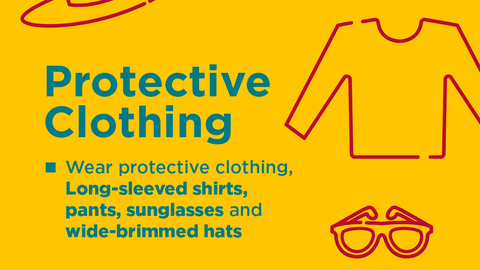
“Hats should also be worn to help protect you from the sun, especially wide brimmed ones, and you should consider shade structures,” she said. Try to plan activities in the morning and later afternoon, as the sun is most intense and potentially harmful between 10 a.m. and 4 p.m.
It’s also extremely important to protect your vision from sun damage. Consider wearing sunglasses, specifically ones labeled as providing UV protection.
This advice is for all skin colors and shades. “Nobody is protected just naturally by the melanin in their skin,” Smidt said. “I would really want to dispel the myth that sunscreen is only for those with fairer skin or who burn.”
Protect your skin this summer. It’s the only one you have!