How to See the Giant Asteroid That Will Pass by Earth This Weekend
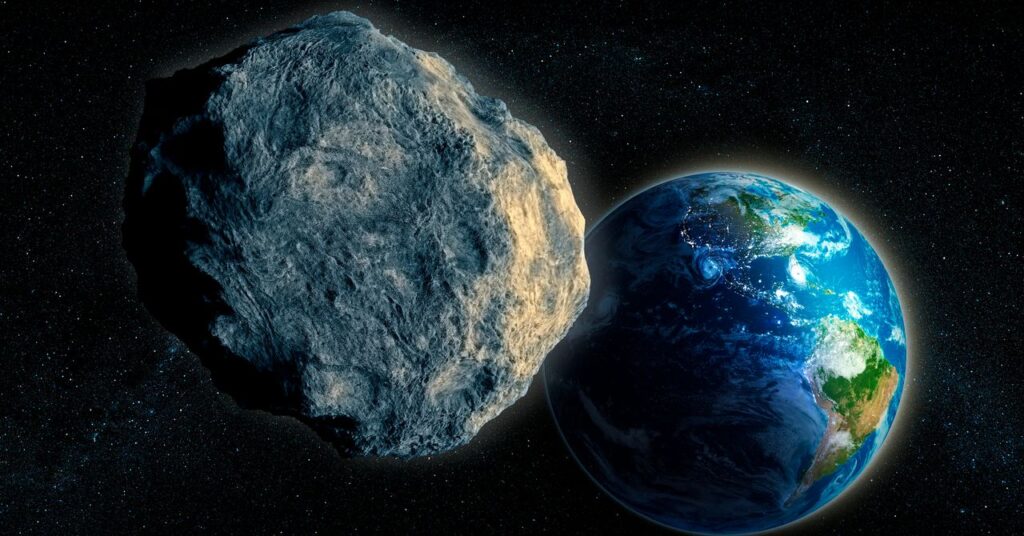
The European Space Agency (ESA) confirmed that this weekend, asteroid (152637) 1997 NC1 will make its closest approach to Earth in 400 years. There’s no risk it will hit Earth, but it will be visible through commercial telescopes and astronomical binoculars from various parts of the world. The closest approach will occur on Saturday, June […]
How to Watch the 2026 Lyrids Meteor Shower at Its Peak
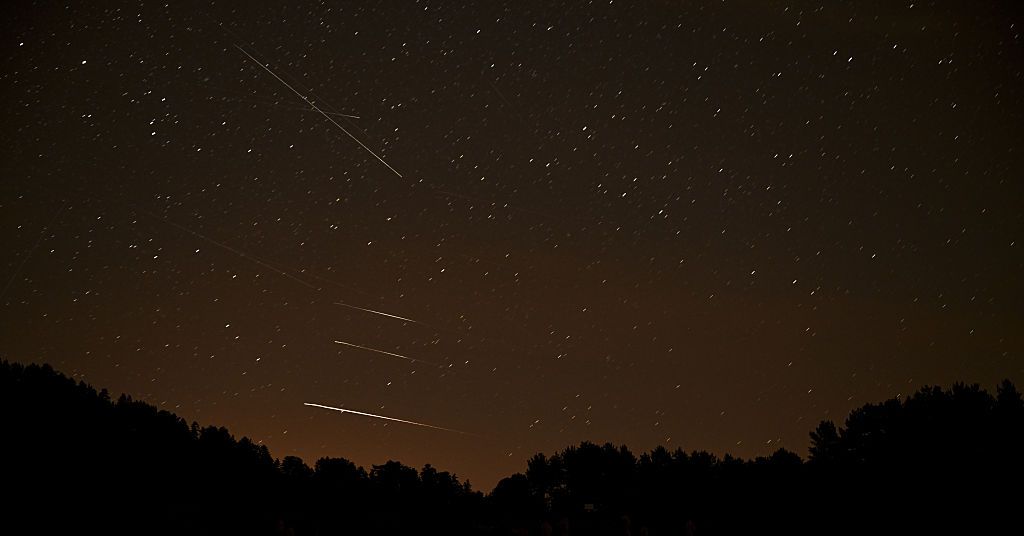
In mid-April, astronomy enthusiasts will be able to enjoy one of the classic celestial spectacles. The meteor shower known as the Lyrids will illuminate the sky, especially in the northern hemisphere, and anyone will be able to see it with the naked eye, weather permitting—if they know where to look. The Lyrids began to appear […]
Lyrid meteor shower is tonight! How to see it, prep for next one – NBC New York
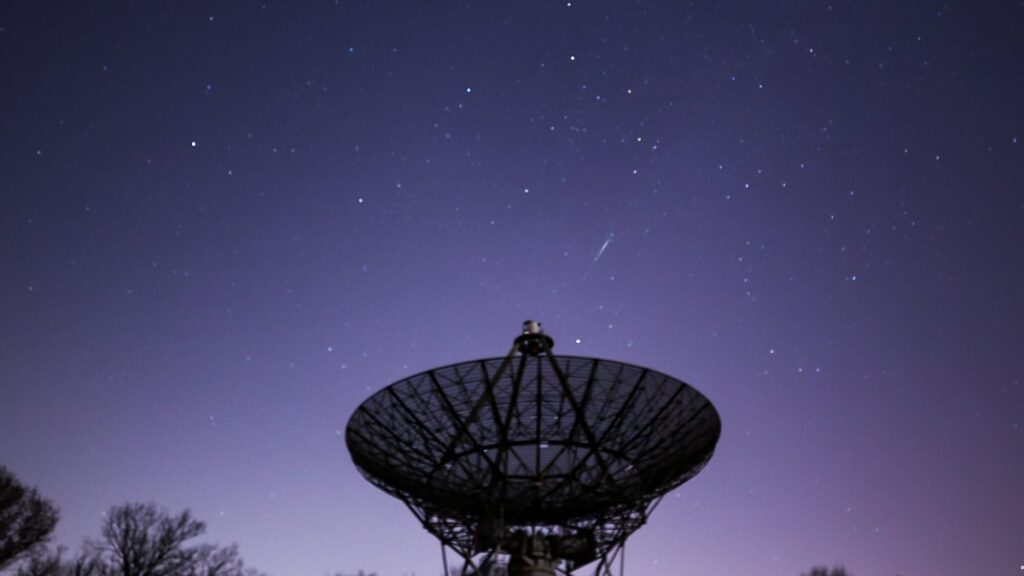
If you’re into making wishes on shooting stars, this may be your week. The Lyrids should produce between 15 and 20 meteors per hour. The annual Lyrid meteor shower, which is active through April 25, will peak Tuesday night. The meteors will emanate from near the constellation Lyra, which is where the meteor shower’s name […]
How to View the ‘Blood Moon’ Total Lunar Eclipse on March 3
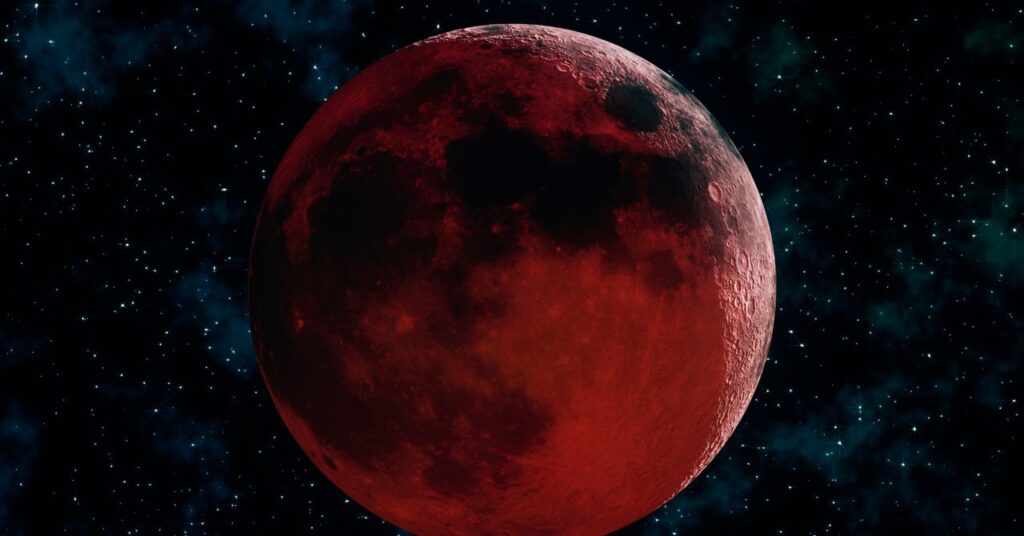
The first major astronomical event visible in 2026 is a total lunar eclipse, or “blood moon.” This phenomenon is highly prized by stargazers because the entire lunar disk takes on a reddish color for a few moments. The total lunar eclipse will occur on March 3. It will be clearly visible in North and Central […]
How to Watch the Final Meteor Shower of 2025
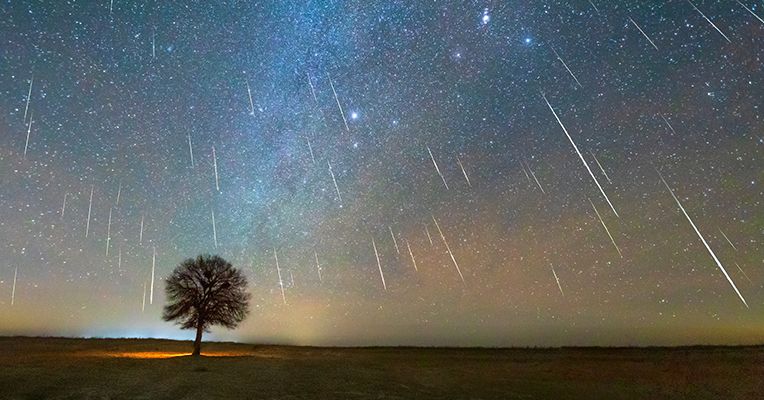
The Lyrids’ radiant, the constellation Hercules, rises well before midnight, so meteors are visible all night, but are most likely to be seen just before dawn, when the radiant reaches its highest point in the sky. The Eta Aquariids (May) The Eta Aquariids are active approximately from mid-April to the end of May. This meteor […]
How to catch the Geminid meteor shower in December
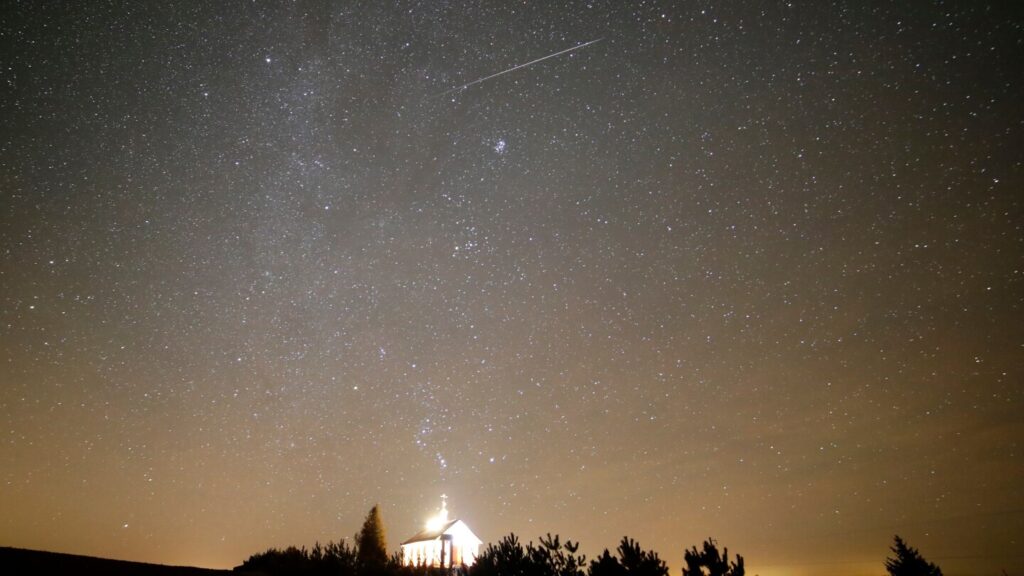
NEW YORK (AP) — It’s time for one of the strongest meteor showers of the year. The Geminids peak this weekend and are visible through mid-December, according to the American Meteor Society. The meteors tend to be yellow in color and can be seen across the globe, but the best viewing happens in the Northern […]
How to Follow the Trajectory of Comet 3I/Atlas
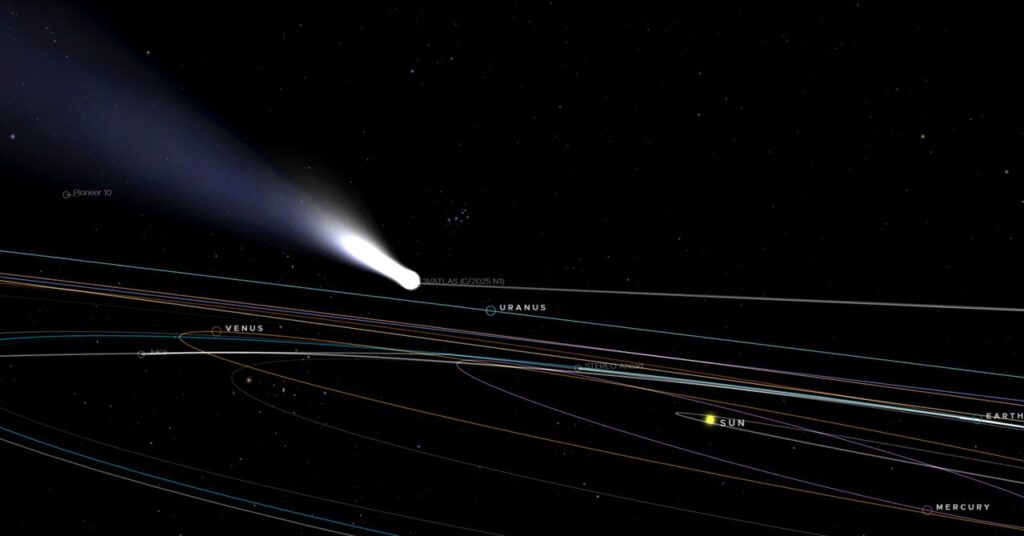
On December 19, it will pass about 270 million kilometers from Earth, almost 700 times the average distance between our planet and the moon. Astronomers believe that for a few days the most powerful telescopes will be able to observe it to better understand its composition. However, because of its distance, it will be impossible […]
How to See Comet Lemmon This October
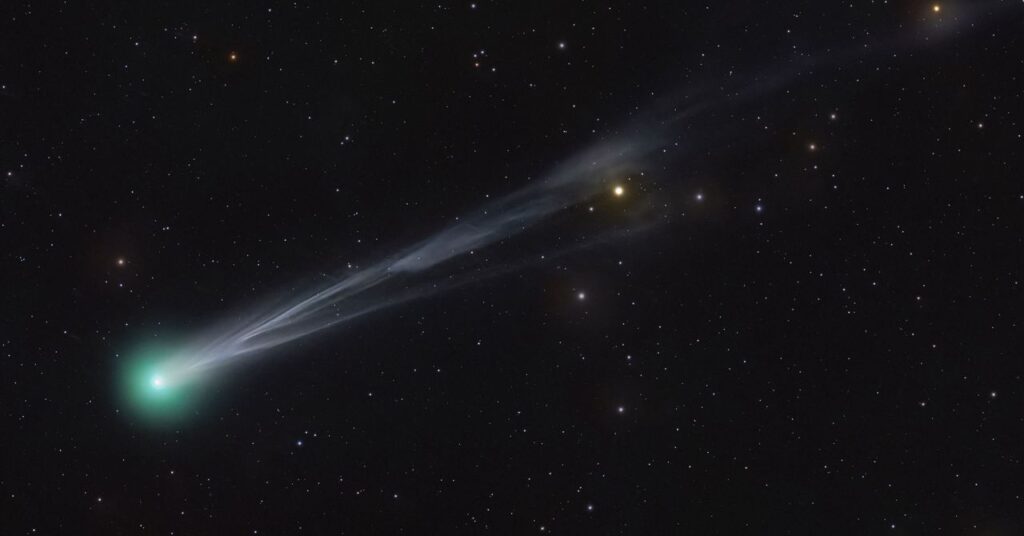
It was early January 2025 when a faint light spot was observed at the Mt. Lemmon Observatory in Arizona. Follow-up observations revealed that the object was a comet visiting from the outer edge of the solar system, and it was named Comet Lemmon (C/2025 A6). Its “period”—the time it takes to complete its lengthy orbit […]
How to See the Total Lunar Eclipse and Blood Moon on September 7
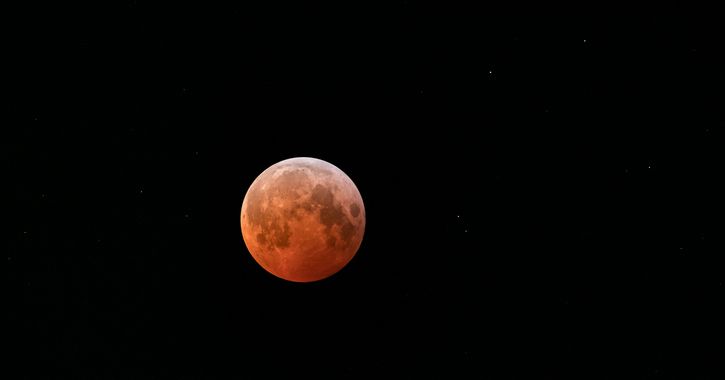
On the evening of September 7, the second (and final) total lunar eclipse of the year will take place—serving up the striking sight of a red “blood moon” in the sky across much of the world. Total lunar eclipses occur when the Earth is positioned between the full moon and the sun, with the moon […]
One Tech Tip: How to use your smartphone to photograph the Northern Lights
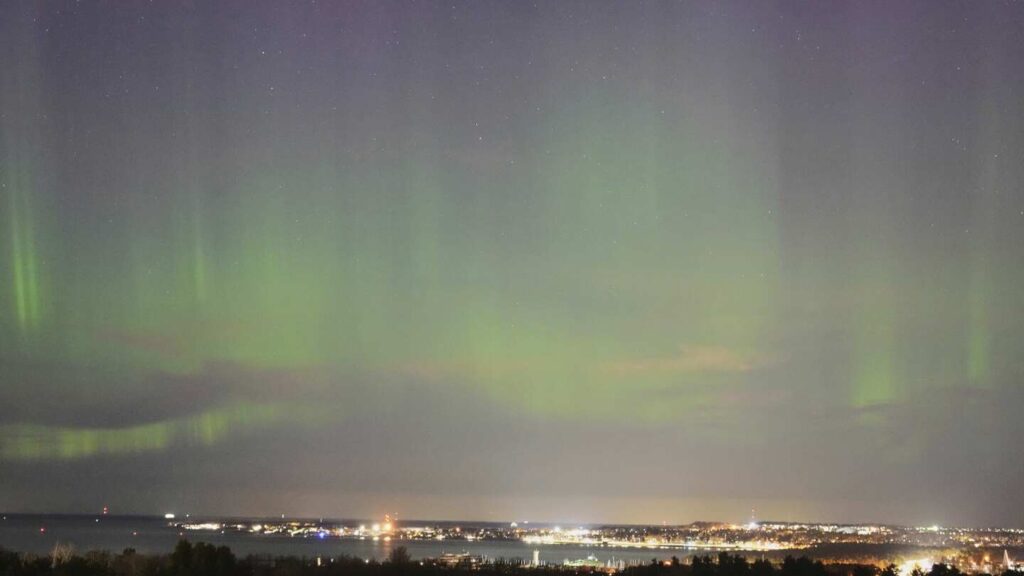
LONDON (AP) — People in parts of the U.S. may be able to see Northern lights Monday night — or at least use a smartphone’s camera to reveal hints of the aurora not visible to the naked eye. Space weather forecasters issued a rare, severe solar storm alert on Sunday after the sun let out […]