How to submit | Metabolism and diet in cancer
This collection supports and amplifies research related to SDG 3: Good Health & Well-Being. With rising global incidence of cancers driven by metabolic dysfunction, particularly in young people, advancing our collective understanding of the relationships between metabolism, diet, and cancer is critical for the development of more effective prevention and treatment strategies. The interplay between […]
Experts Advise on How to Study DEI in Cancer

As the largest financial supporter of medical research in the US, the National Institutes of Health (NIH) has helped uncover health disparities in cancer incidence, prevalence, and outcomes. Grants funded with that federal money aimed at reducing disparities have also included initiatives that enhanced the health of all patients with cancer. An example of these […]
More at-home health tests are now available. How to know what’s right for you

The doctor is in — the mailbox, that is. You can now do self-administered tests for everything from thyroid function to HIV in the privacy of your own home — and that list continues to grow, as the Food and Drug Administration recently approved the first at-home cervical cancer test. While the tests can make […]
How to Foster a People-Centered Environment in Cancer Treatment

What does a people-centered environment mean in cancer treatment?The role of empathy in oncology careIntegrating patient voices into care designCreating supportive spaces for patients and familiesLeveraging technology to enhance patient-centered careExamples of people-centered programs in actionChallenges and opportunities in fostering a people-centered approachThe future of people-centered cancer treatmentReferencesFurther reading The new World Cancer Day theme […]
How to Assess Cancer Progression Beyond Imaging Results
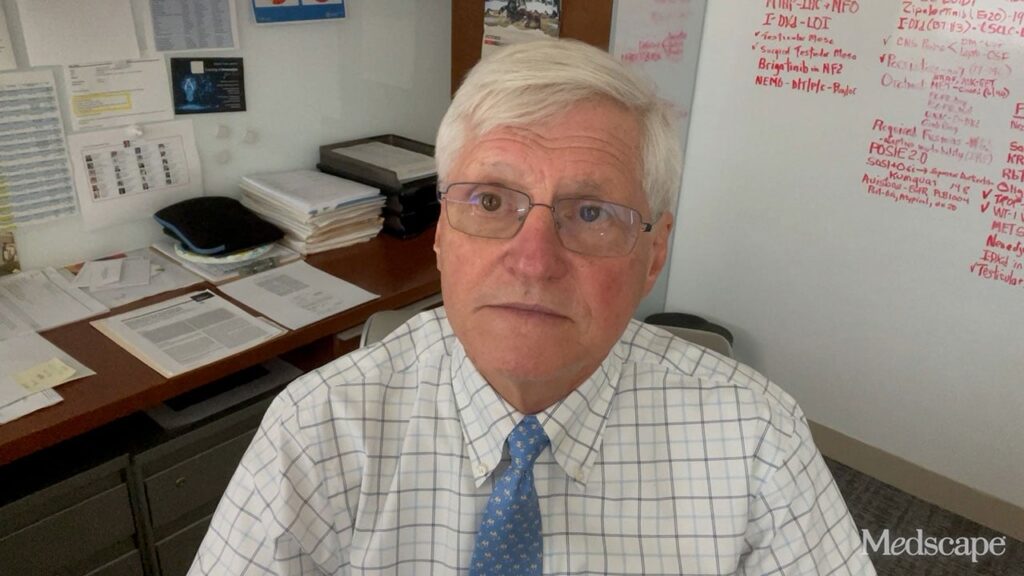
This transcript has been edited for clarity. Hello. It’s Mark Kris, from Memorial Sloan Kettering. In my discussions with doctors around the world, I’ve come upon a huge amount of confusion and difference in what we call progression. Today I’d like to talk about what I’ll call the many faces of progression in systemic therapy. […]
How to accompany cancer patients? Four experts propose some ways

By Walter Sánchez Silva Lima Newsroom, Nov 9, 2024 / 07:00 am “You have cancer.” These brief but shocking words stir up many feelings in a patient and those around him or her, including the fear of death. Fighting cancer is not easy and many don’t know what to do in such a situation, beyond […]
Gilead needs a win with Arcellx CAR-T data. Here’s how to know if it scores
This story first appeared in Adam’s Biotech Scorecard, a subscriber-only newsletter. STAT+ subscribers can sign up here to get it delivered to their inbox. The next referendum on Gilead Sciences’ oft-criticized oncology business is approaching. Circle Nov. 5 on your calendars. That’s when we’ll get the first look at data from a pivotal clinical trial of anito-cel, […]
How to Treat Cancer While Preserving Fertility
Thanks to the continuously improving treatment options for cancer, the number of cancer survivors is increasing, and a large proportion of survivors is confronted with the long-term effects of cancer treatment. Especially for young patients, the question of the impact of therapy on fertility arises. Dose adjustment or modification of the treatment regimen can achieve […]
How to nutritionally fight cancer

Navigating the path to recovery after a cancer diagnosis can be an arduous journey filled with physical and emotional challenges. However, one powerful tool that patients can harness is the food they consume. Some strategic dietary choices can support healing, enhance immunity, and improve the overall quality of life during and after cancer treatment. Cancer is a multifaceted […]
How to beat the big four diseases of ageing
Cancer Cancer can strike at any age, but the older we get, the more likely it becomes. “The two most common cancers of old age are breast and prostate cancers,” says Dr Richard Siow, the director of Ageing Research at King’s College London. “As we age, our cellular mechanisms reduce the clearance of damage within […]